
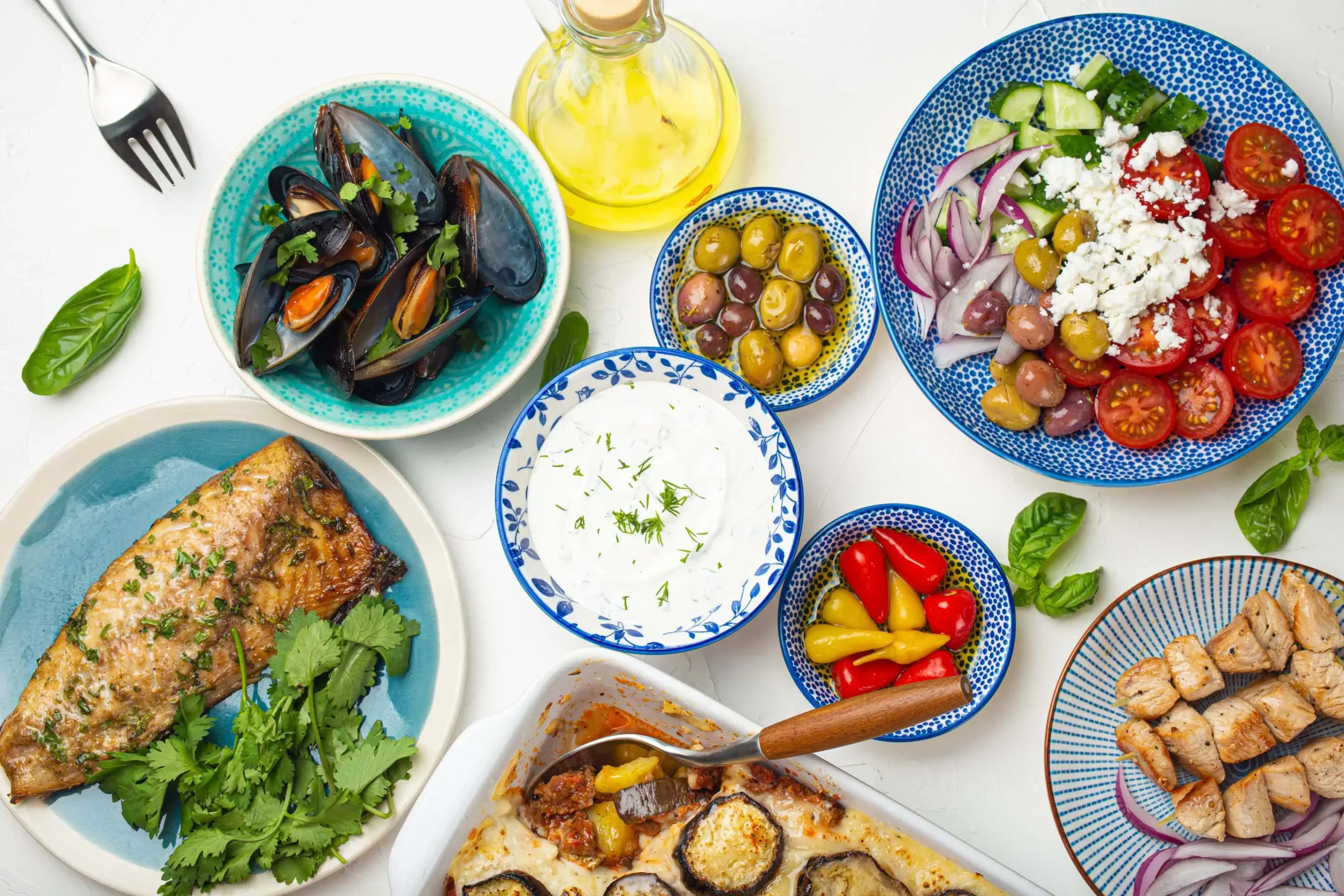
For Greek cuisine, Assyrtiko is a versatile white wine that works well with a variety of dishes. For lighter fare, wines like Sauvignon Blanc or Pinot Grigio are also suitable options. For more robust meals such as moussaka or pastitsio, red wines like Agiorgitiko or Xinomavro make excellent pairings. Retsina, known for its distinct pine resin character, can be a unique choice — particularly alongside grilled seafood or bold cheeses.
Greek cuisine is a celebration — of sun-drenched ingredients, bold herbs, olive oil that borders on sacred, and meals meant to be shared. Whether it’s grilled octopus by the Aegean or lamb souvlaki at your local taverna, the right wine doesn’t just complement Greek food — it elevates it.
This guide offers not just recommendations, but principles and stories to help you confidently pair wines with your favourite Greek dishes.
What Wine Goes with Greek Food?
Greek food is built on contrast — salty feta and sweet tomato, bitter greens and bright lemon, rich lamb and cooling tzatziki. Wine pairings should mirror this balancing act: think high-acid whites to slice through olive oil, or earthy reds to echo oregano-drenched meats.
The same sun and soil that shape the cuisine also give rise to wines that naturally fit with the food. But that doesn’t mean international varietals are off the table. It just means we need to think beyond “red with meat, white with fish”.
When in doubt, go local. If you’re unsure what to choose, pick a Greek wine. Or better yet, ask your waitress — locals usually know exactly which bottle brings a dish to life.
Best White Wine Pairings with Greek Food
White wine is a true friend to Greek cuisine. Why? Because acidity is king, and Greek food is loaded with lemon, vinegar, briny cheese, and olive oil. The best whites bring zip and mineral bite.
- Assyrtiko – Bone-dry, citrusy, and saline. Amazing with grilled fish, octopus, seafood mezze, or lemon potatoes. Especially brilliant from Santorini.
- Moschofilero – Floral, fresh, and zesty. Lovely with spanakopita, Greek salads, and herby appetisers.
- Thrapsathiri – Crisp with citrus and mineral notes. Great with grilled calamari and light mezze.
- Roditis – A versatile, lighter Greek white that pairs well with dolmades (stuffed vine leaves) and grilled vegetables.
Many of the best pairings come from Greek varieties, but excellent matches also exist beyond Greece’s borders — from the citrusy lift of Albariño to the herbal snap of Sauvignon Blanc.
- Sauvignon Blanc – (Loire or Marlborough) Fresh, herbaceous, and zippy — great with dill-heavy dishes like spanakopita or Greek salads.
- Albariño – Salty, aromatic, and citrus-forward. Brilliant with calamari, grilled prawns, and light fish dishes.
- Vermentino – Mediterranean freshness and a touch of herbal bitterness — ideal for dolmades and seafood mezze.
- Chardonnay – For avgolemono soup, pastitsio, or creamy sauces. Stick to cool-climate styles with a bit of texture but no heavy oak.
🍷 Pro tip: Avoid overly oaky or overly aromatic whites with feta-heavy dishes — they clash more than complement.
Best Red Wine Pairings with Greek Food
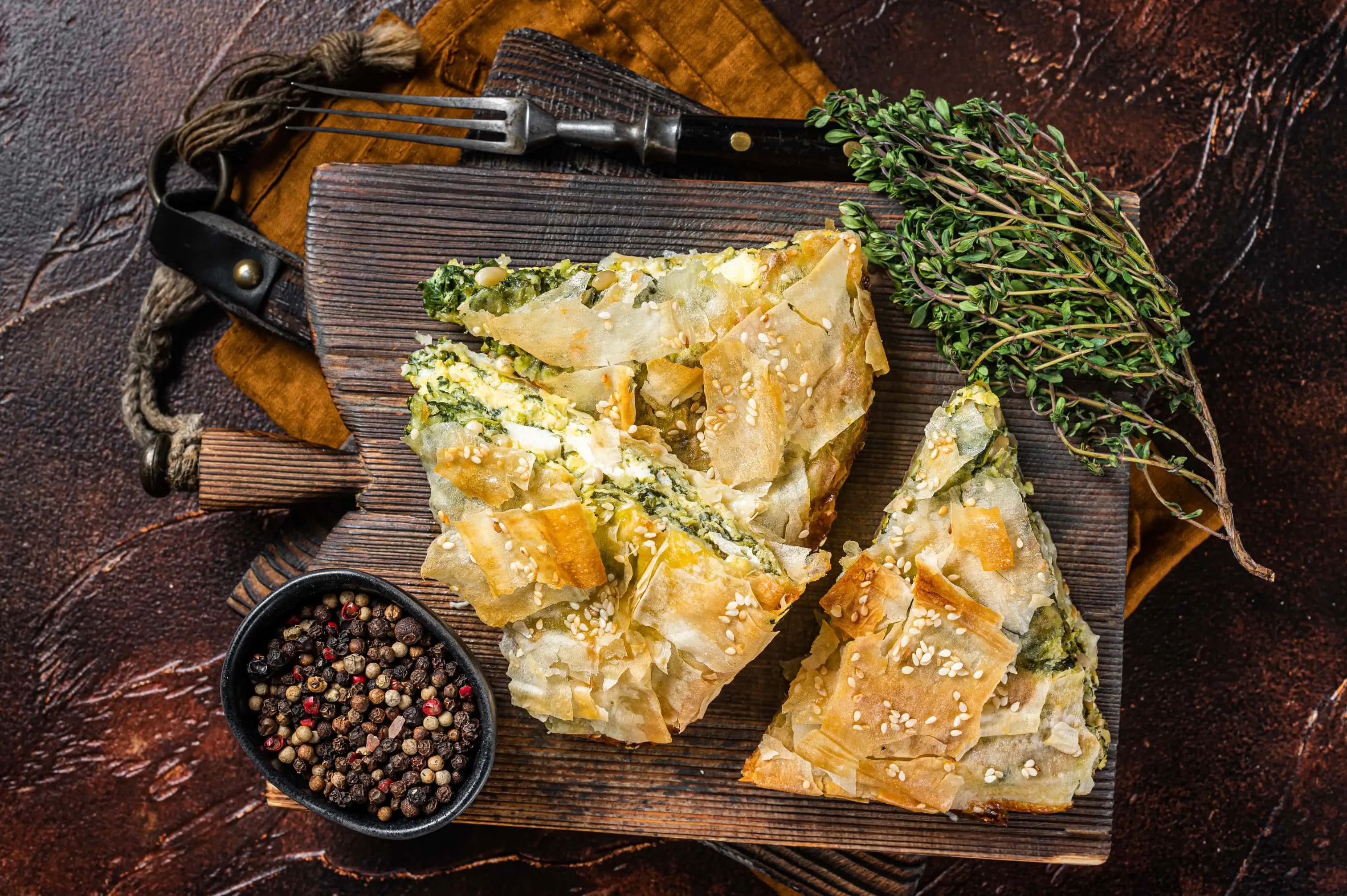
Red wine and Greek cuisine can be an unexpected power couple — when done right. You want reds that are bright, earthy, and not over-extracted. Forget Napa monsters. Think finesse, not force.
- Xinomavro – High-acid and earthy, with notes of olive tapenade, tomato, and red berries. Ideal for lamb, moussaka, and braised dishes.
- Agiorgitiko – Smooth, fruity, with hints of clove and cinnamon. Great for gyros, pastitsio, and grilled pork.
- Limnio – A rare ancient Greek grape with medium body and spicy, savoury notes. Try it with keftedes or gigantes plaki.
- Liatiko – A light-bodied Cretan red with gentle spice and soft tannins — think of it as Greece’s answer to Pinot Noir.
Greek grapes like Xinomavro and Agiorgitiko are tailor-made for this role — but international options such as Chianti and Côtes du Rhône can complement the same dishes beautifully.
- Côtes du Rhône – Grenache-Syrah blend with pepper, berry, and herb — a natural match for lamb, gyros, and keftedes.
- Tempranillo – Spain’s flagship red loves tomato-based dishes and roasted meats. Excellent with pastitsio or lamb stew.
- Barbera d’Asti – Bright cherry and acidity, perfect for meat-and-béchamel dishes like moussaka.
- Pinot Noir – Light and earthy. Great for grilled chicken, mushroom spanakopita, or eggplant dishes.
- Chianti Classico – Acidity and structure make it ideal for roasted lamb or creamy tomato dishes.
🍷 Pro tip: Red wines work best when they echo the herbs and earthiness of the food — not when they try to dominate it.
What Wine Goes Best with Greek Lamb?
- Roasted Lamb with Herbs → Try Cabernet Sauvignon (for structure) or Agiorgitiko (Greece’s plushest red, with spice and finesse).
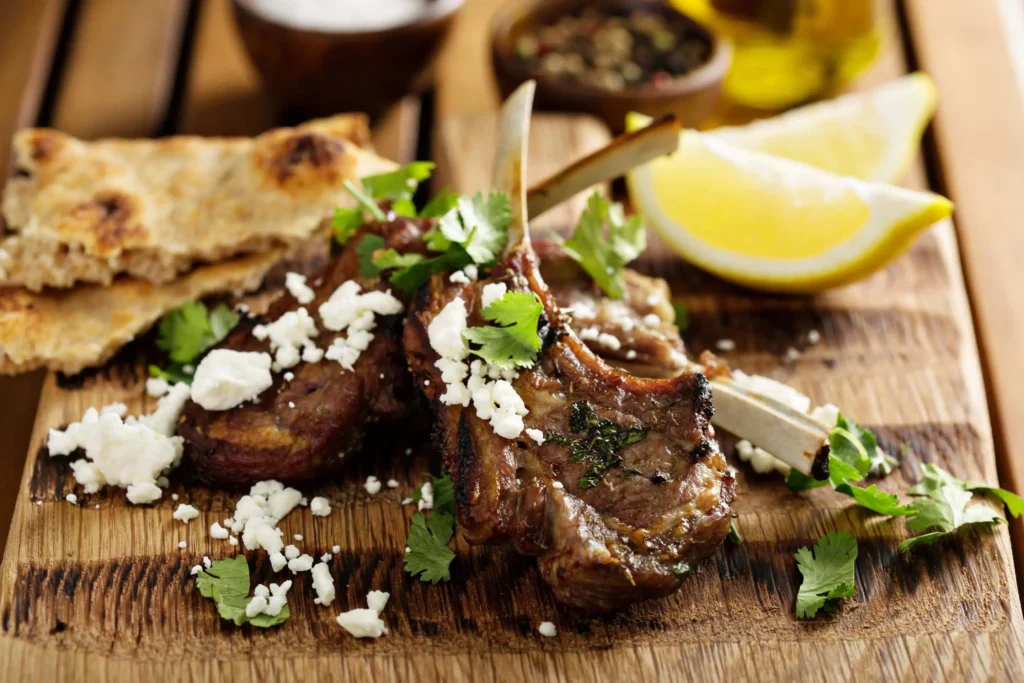
- Grilled Lamb Chops → Merlot (soft, plummy, grill-friendly) or Chianti (acidity cuts through the fat).
- Lamb Kleftiko (slow-baked with vegetables and herbs) → Shiraz (for pepper and richness), or even a robust Rioja Reserva.
- Lamb Souvlaki with Tzatziki → Grenache or Zinfandel — something juicy with backbone and acidity.
🍷 Pro tip: Avoid wines that are too tannic or oaky unless the dish is rich enough to soften them. Balance is everything.
Wine Pairings for Classic Greek Dishes
| Greek Dish | Best Wine Pairing (Non-Greek) | Greek Wine Alternative | Why It Works |
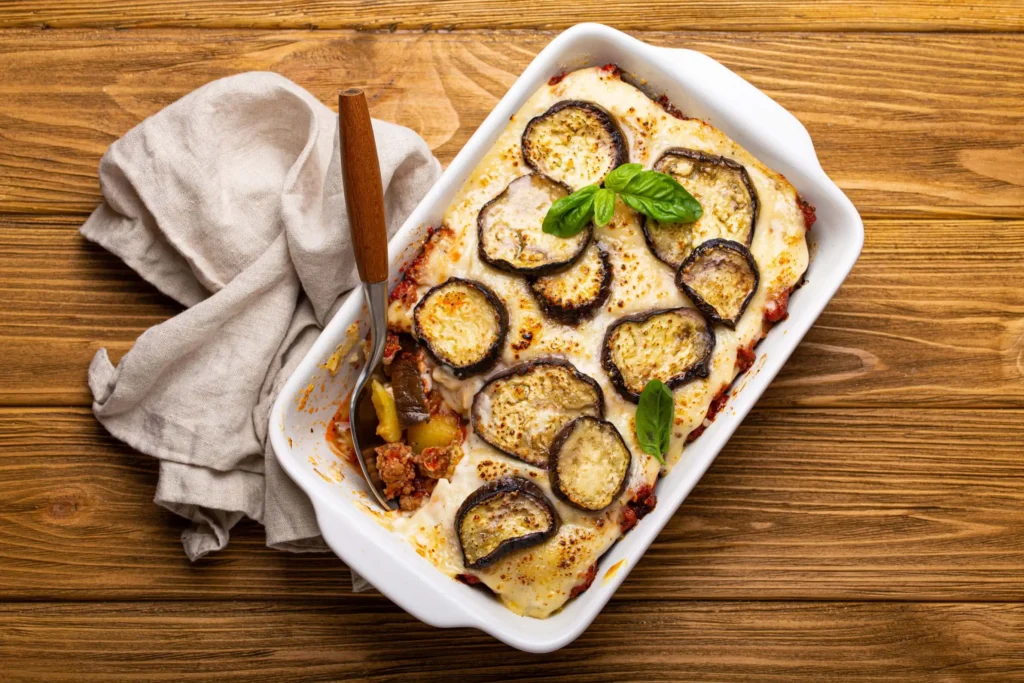
| Moussaka (eggplant, meat, béchamel) | Côtes du Rhône or Chianti Classico | Xinomavro | Acidity balances béchamel, spice mirrors herbs |
| Pastitsio (Greek-style lasagna) | Barbera d’Asti | Agiorgitiko | Bright cherry & acidity match rich layers |
| Spanakopita (spinach and feta pie) | Sancerre or Sauvignon Blanc | Moschofilero | Green herbs + salty feta love zippy whites |
| Dolmades (stuffed vine leaves) | Vermentino | Roditis or Moschofilero | Light, floral wines echo herbs and rice |
| Greek Salad | Albariño or Pinot Grigio | Assyrtiko | Crisp, citrusy, saline — mirrors the salad |
| Grilled Calamari | Chablis or Vinho Verde | Robola | Minerality complements delicate seafood |
| Gyros (Pork/Chicken) | Beaujolais-Villages or Zinfandel | Agiorgitiko (light style) | Fruit-forward to match herbs and sauce |
| Greek Lemon Chicken | Riesling (dry) or Chenin Blanc | Assyrtiko | Citrus in food echoed in wine’s acidity |
| Avgolemono Soup (lemon-egg soup) | Unoaked Chardonnay or Viognier | Robola | Creamy texture with fresh acidity and floral lift |
A Few Wine Pairing Rules for Greek Cuisine
1. Acidity is Your Best Friend
Greek cuisine leans heavily on lemon, vinegar, tomatoes, and salty cheeses like feta. You need wines with crisp acidity to keep up. Flat or overly soft wines will taste dull and lifeless next to the food.
Try this: If the dish makes your mouth water, the wine should too.
2. Match Intensity with Intensity
Light dishes (like grilled fish or salads) work best with delicate wines. Heavier, richer foods (like lamb or moussaka) call for wines with more body and structure. Don’t let the wine overpower the dish — or vice versa.
3. Herbs Love Earthy or Herbal Wines
Greek dishes are layered with oregano, mint, thyme, and dill. Earthy reds (like Xinomavro or Chianti) or herbaceous whites (like Sauvignon Blanc or Moschofilero) create harmony rather than conflict.
4. Mind the Tzatziki Factor
Tzatziki’s garlic and yoghurt base can clash with tannic reds. For dishes served with tzatziki, go for zesty whites or light reds with low tannin (like Beaujolais or rosé).
5. When in Doubt, Go Greek
Assyrtiko, Agiorgitiko, Moschofilero — these native Greek varietals evolved alongside the food. They’re naturally suited to the flavours and traditions of the cuisine. If you’re unsure, reaching for a Greek bottle is always a smart move.
Remember: Wine pairing isn’t about rigid rules — it’s about rhythm. Greek food has plenty of that. Your wine just needs to keep up.
Drink Like a Local
When in doubt, match the wine to the mood. Greek dining is social, generous, and lively. Choose wines that reflect that energy — bright, balanced, and always food-first.
And don’t be afraid of local Greek varietals. They’re often more affordable than international wines and were literally born to handle the cuisine’s complexity.
🧿 Καλή όρεξη! (Bon appétit)