
Beaujolais
Showing all 8 resultsSorted by latest
-
Sale!
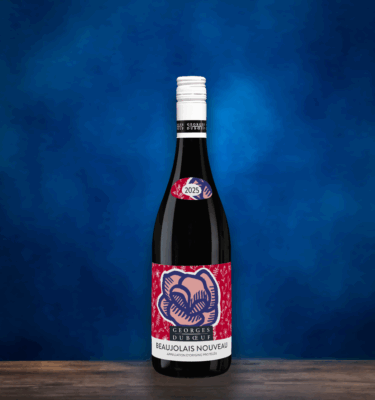 Select options This product has multiple variants. The options may be chosen on the product page
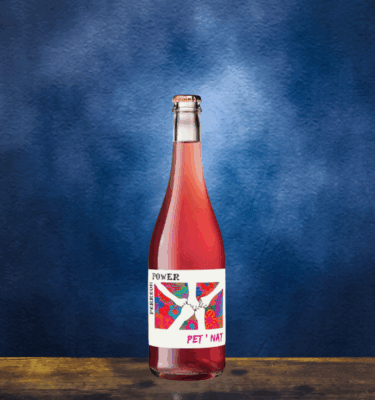
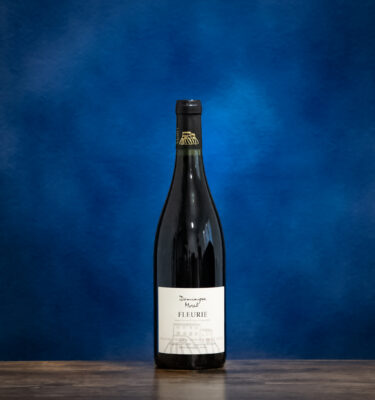
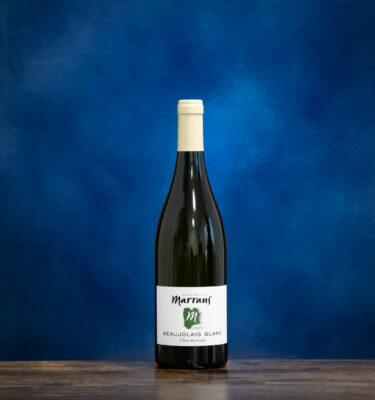
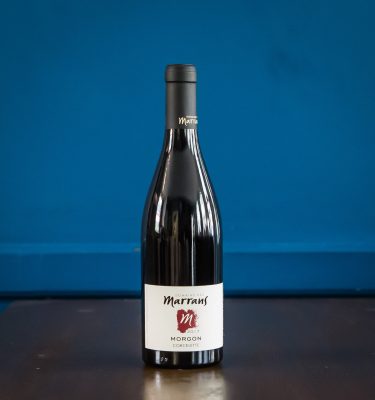

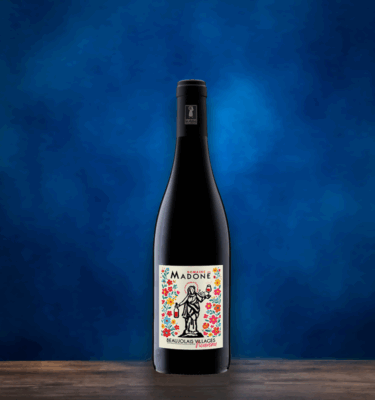
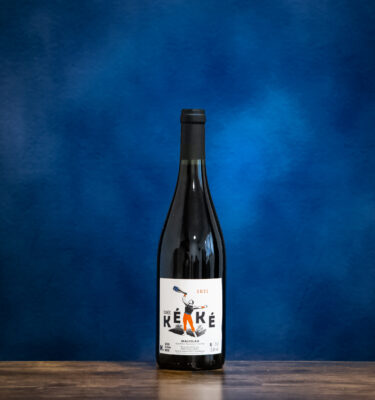
Beaujolais is a French wine region and historical province located north of Lyon, known for its red wines made primarily from the Gamay grape. It’s famous for Beaujolais Nouveau, a light, fruity wine released each November, and also for the ten Beaujolais Crus, which produce more complex and age-worthy wines.
Beaujolais is situated just south of Burgundy and technically part of the greater Burgundy wine region, though it has its own distinct character and style. The region’s granite-rich soils are particularly well-suited to the Gamay grape, which thrives here and produces wines known for their vibrant red fruit flavours, low tannins, and fresh acidity.
A hallmark of Beaujolais winemaking is carbonic maceration, a fermentation method where whole grape clusters are placed in sealed tanks. Fermentation begins inside the berries themselves, creating a wine with bright, juicy fruit and soft tannins — often with playful notes like banana and bubblegum, particularly in Beaujolais Nouveau.
Beaujolais wines are typically light to medium-bodied, with flavours of cherry, raspberry, and strawberry. They’re easy-drinking, food-friendly, and enjoyed both young and, in the case of the Cru wines, after some ageing.
The region’s wines are classified into several tiers:
-
Beaujolais: The broadest and most basic appellation.
-
Beaujolais-Villages: From 38 designated villages in the north, offering a step up in depth and quality.
-
Cru Beaujolais: The top tier, made in ten crus—Brouilly, Côte de Brouilly, Chénas, Chiroubles, Fleurie, Juliénas, Morgon, Moulin-à-Vent, Régnié, and Saint-Amour—each known for its own unique expression of Gamay, with some capable of ageing for a decade or more.
Beaujolais Nouveau, released on the third Thursday of November, is the region’s most well-known export. It’s designed for early drinking, showcasing the fresh, fruity charm of the year’s harvest, and is celebrated with festivals and global fanfare.
Food Pairing:
Beaujolais wines are versatile at the table. Their light and juicy profile works well with charcuterie, roast chicken, grilled sausages, soft cheeses, and even dishes like sushi or fish in cream sauce. The more structured crus can pair beautifully with heartier fare.
Value:
Beaujolais—especially the Villages and Crus—offers excellent value, making it a smart pick for those seeking characterful French reds without the Burgundy price tag.
Popularity and Revival
Beaujolais was hugely popular in the 1980s and 1990s, fuelled by the global buzz around Beaujolais Nouveau. But as trends shifted toward fuller-bodied and oakier wines, its light, fruity style fell out of favour, and many overlooked the region’s more serious offerings. In recent years, though, Beaujolais has made a comeback. Wine lovers are increasingly drawn to its freshness, lower alcohol, and food-friendly character—qualities that fit modern tastes and lifestyles. There’s also a growing appreciation for the craftsmanship behind the cru wines, which offer complexity, ageing potential, and excellent value compared to Burgundy. This renewed interest is putting Beaujolais back on the radar of sommeliers, wine bars, and curious drinkers around the world.