
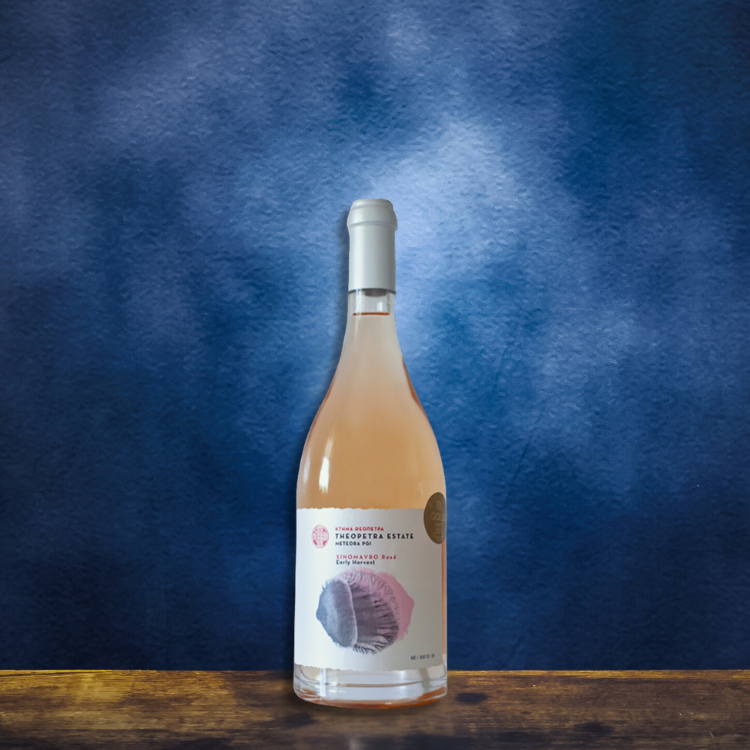
Theopetra Xinomavro Rosé takes one of Greece’s most characterful red grapes and shows its lighter, brighter side. Xinomavro is famous for producing structured, savoury reds, but as a rosé it becomes wonderfully fresh and aromatic, combining wild strawberry, red cherry and raspberry with rose petals, citrus and a subtle herbal edge. The palate is dry and energetic, driven by the grape’s naturally lively acidity, while delicate red-fruit flavours give it enough generosity to remain immediately approachable. There is also a distinctly savoury quality beneath the fruit, preventing the wine from becoming overly simple or sweet. Refreshing enough for warm-weather drinking but with considerably more personality than a neutral rosé, this is a brilliant option for anyone looking to explore Greece beyond its better-known white varieties.
Theopetra Estate Xinomavro Rosé, Producer
Theopetra Estate was established by the Tsililis family in 1996, close to the extraordinary rock formations of Meteora in Thessaly. The family had already built considerable experience producing wine and traditional Greek spirits before developing the estate with the aim of reviving the area’s historic viticultural identity.
The vineyards lie close to the prehistoric Cave of Theopetra, one of Greece’s most important archaeological sites. Evidence of human habitation stretches back thousands of years, while grape seeds discovered locally provide a remarkable connection between the region’s ancient past and its modern vineyards.
Today, the estate works with both native Greek and selected international varieties, with an increasing emphasis on indigenous grapes such as Xinomavro, Limniona and Assyrtiko. The wines combine modern, precise winemaking with a strong focus on freshness and regional character.
Theopetra Estate Xinomavro Rosé, Terroir & Winemaking
The vineyards are situated in Thessaly in central Greece, where the dramatic landscape surrounding Meteora combines warm Mediterranean sunshine with cooler influences from the nearby mountains. Significant differences between daytime and night-time temperatures help preserve acidity and aromatic freshness, something particularly important for Xinomavro.
The soils contain a mixture of clay, limestone and stony material, providing good drainage while allowing the vines to retain enough moisture through Greece’s warm, dry summers.
For the rosé, Xinomavro is harvested specifically to retain freshness and bright fruit character. The grapes receive only limited contact with their skins, extracting a delicate pink colour without the substantial tannins associated with red Xinomavro. Gentle pressing is followed by cool fermentation in stainless steel, preserving the grape’s red-fruit, floral and citrus aromas. No oak is used, keeping the finished wine crisp, pure and vibrant.
Theopetra Estate Xinomavro Rosé, Tasting Notes
Delicate salmon-pink in colour with bright, youthful reflections. The nose is fresh and fragrant, opening with wild strawberry, raspberry and sour cherry, followed by rose petals, pink grapefruit and subtle Mediterranean herbs.
The palate is dry and lively, with crunchy red berries and citrus supported by Xinomavro’s naturally refreshing acidity. There is a gentle savoury character beneath the fruit, with hints of dried herbs and subtle spice adding complexity.
The finish is clean, persistent and mouth-watering, leaving lingering notes of redcurrant, grapefruit and delicate flowers. It has enough fruit to feel generous, but the overall impression remains elegant, energetic and distinctly food-friendly.
Theopetra Estate Xinomavro Rosé, Food pairing suggestion: Prawn Saganaki with Tomato, Feta and Fresh Herbs
Did you know?
Xinomavro translates roughly as “acid black”, combining the Greek words for sour or acidic (xino) and black (mavro). It is an appropriate name for a grape famous for naturally high acidity and deeply characterful red wines.




Reviews
There are no reviews yet