
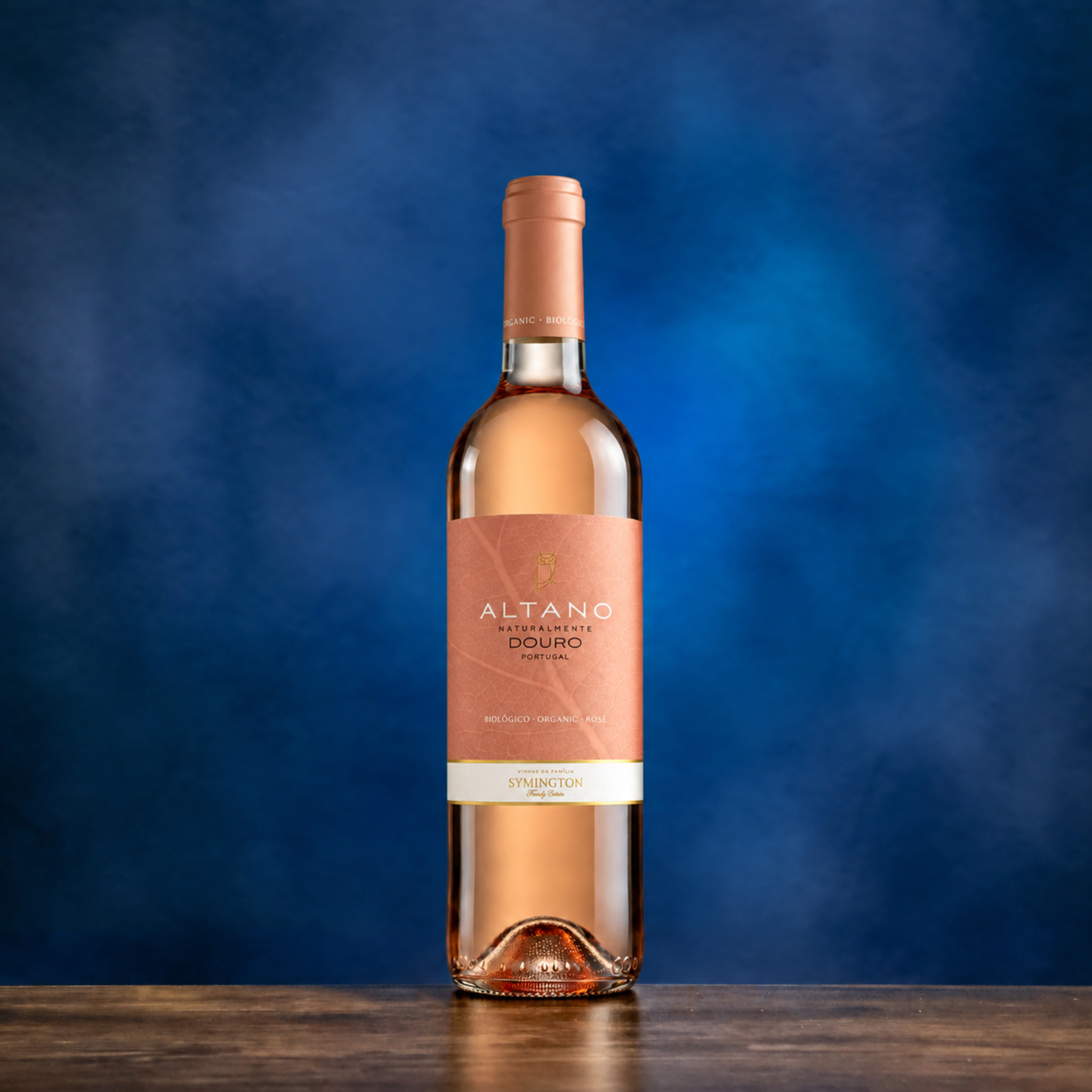
Altano Rose: A Fresher Side of the Douro
Altano Rosé is a fresh, modern expression of the Douro, showing a completely different side of a region better known for powerful reds and Port. Pale, fragrant and wonderfully lively, it combines juicy red berries with bright citrus freshness and just enough texture to make it far more interesting than a simple summer rosé.
Altano is produced by Symington Family Estates, one of the great family names of Portuguese wine. The Symington family has made wine in the Douro for five generations and owns 26 individual Quintas across some of the region’s most important vineyard areas. Although best known for Port houses including Graham’s, Dow’s and Warre’s, the family was also among the pioneers of modern dry Douro wine, releasing the first Altano red in 1999.
Made from traditional Portuguese red grapes harvested specifically for rosé production, the blend can include Tinta Roriz, Touriga Franca, Touriga Nacional and Tinto Cão. The grapes are picked with freshness in mind, then gently pressed to achieve the wine’s delicate salmon-pink colour without extracting excessive tannin.
The juice is fermented at a cool temperature to retain its bright fruit and floral aromas. Time spent on the fine lees, with gentle bâtonnage, gives the wine additional softness and volume without introducing any oak flavour.
Wild strawberry, raspberry and fresh redcurrant lead the way, followed by pink grapefruit, rose petals and delicate floral notes. The palate is dry, juicy and refreshing, with lively citrus acidity and a softly rounded texture through the middle. Grapefruit, redcurrant, gentle herbal freshness and a subtle mineral character linger on the clean, mouth-watering finish.
Altano Rose Food Pairing Suggestion:
Try Altano Rosé with grilled prawns served with almond ajo blanco and green grapes. Its fresh citrus acidity works beautifully with the richness of the almonds, while the wine’s red berry and grapefruit flavours complement the sweetness of the prawns and grapes. It is also an excellent match for sushi, grilled seafood, fresh salads and Mediterranean dishes.
About Altano Rose:
- Produced in the Douro Valley by Symington Family Estates.
- Made from traditional Portuguese grape varieties selected and harvested specifically for rosé.
- Fermented at a cool temperature to preserve its fresh fruit and floral character.
- Time on the fine lees adds softness and texture while keeping the wine crisp and refreshing.
- Delicious as an aperitif, but with enough flavour and acidity to be particularly versatile with food.
Reviews
There are no reviews yet